
He aha te take ka maroke tonu taku waha i muri i te inu wai? Te hauora whatukuhu, te huka, me nga tohu tuatahi o te kino o te mate huka
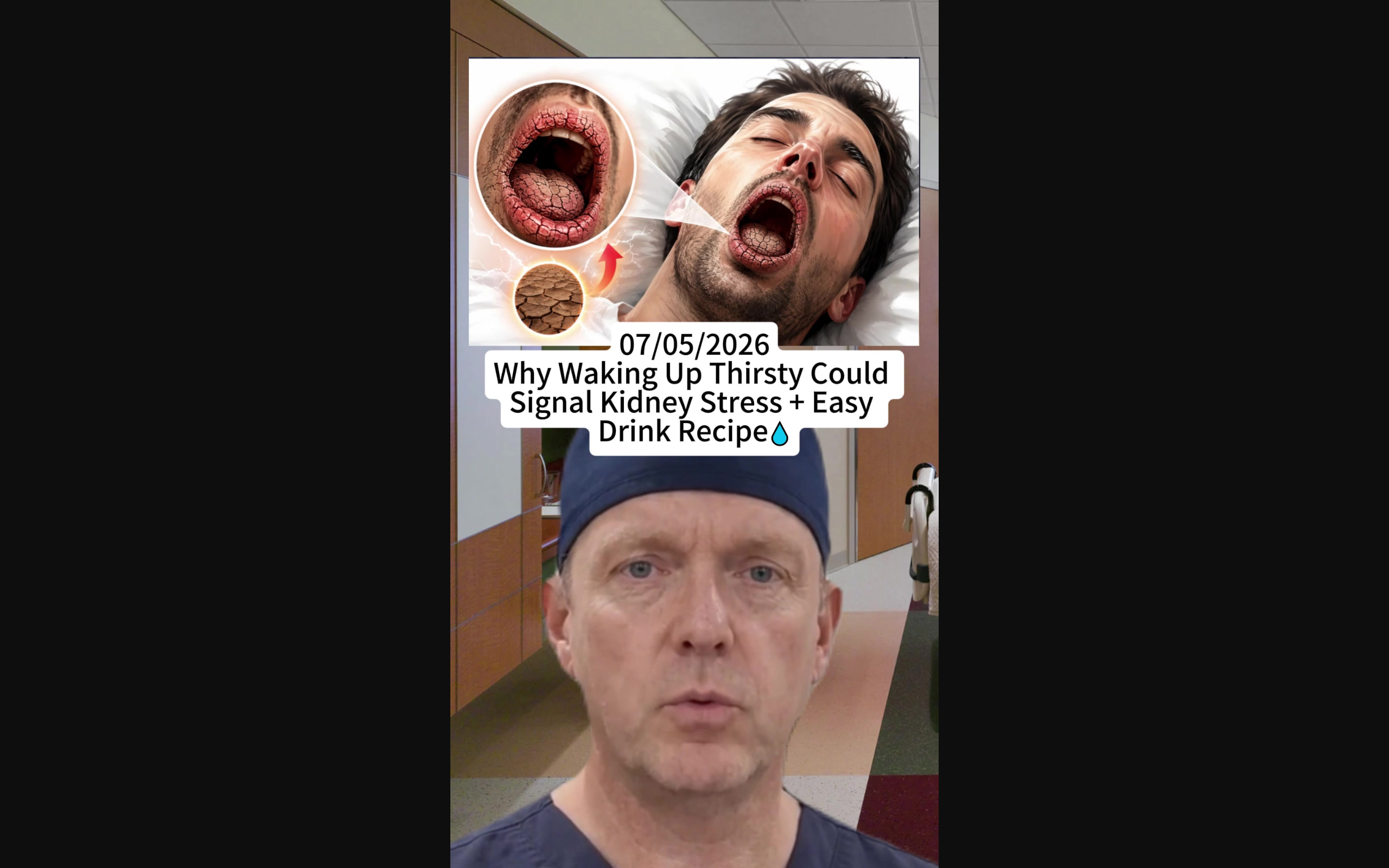
Whakatauranga Pono

Kua whakahēngia
Ko etahi o nga korero mo nga tohu o te mate huka he tika, engari ka whakatairanga te ataata i te rongoa 'kaiwhakauru ngaro' pseudoscientific.
Ko etahi o nga korero mo nga tohu o te mate huka he tika, engari ka whakatairanga te ataata i te rongoa 'kaiwhakauru ngaro' pseudoscientific.
🔥Tangohia Wera:
- E tika ana te tautuhi i nga tohu o te mate huka engari ka tukuna he moemoea 'rongoa kihini' kino. 🚨
- Ko te raina 'ngongo kirikiri' he whakamataku, engari ko te kerēme 'kaiwhakauru ngaro' he pseudoscientific parakore. 👎
🔥Tangohia Wera:
- •E tika ana te tautuhi i nga tohu o te mate huka engari ka tukuna he moemoea 'rongoa kihini' kino. 🚨
- •Ko te raina 'ngongo kirikiri' he whakamataku, engari ko te kerēme 'kaiwhakauru ngaro' he pseudoscientific parakore. 👎
Wehewehenga Kereme:
📝 Tirotiro i ngā Meka: This describes a classic trio of symptoms for high blood sugar (hyperglycemia), common in undiagnosed or poorly managed diabetes. 🩺 The symptoms are excessive thirst (polydipsia) and excessive urination (polyuria). Your kidneys are indeed working overtime to excrete excess glucose, which pulls water with it in a process called osmotic diuresis. The timeline is dramatic, but the underlying biology is accurate.

Te Rā o te Tirotiro i ngā Meka: 25 Ākuhata 2026
WHAKATŪPATO HIRANGA
Whakakape: He mōhiohio whānui tēnei taputapu, ehara i te mea hei whakakapi mō ngā tohutohu ngaio whaiaro.
Recent BS Checks